In the United Arab Emirates, where temperatures regularly soar above 40°C and the sun shines intensely year-round, building design faces unique challenges. Architects and developers continuously seek innovative solutions to balance aesthetic appeal with energy efficiency. Smart glass technology has emerged as a revolutionary solution that addresses multiple sustainability challenges in UAE’s demanding climate.
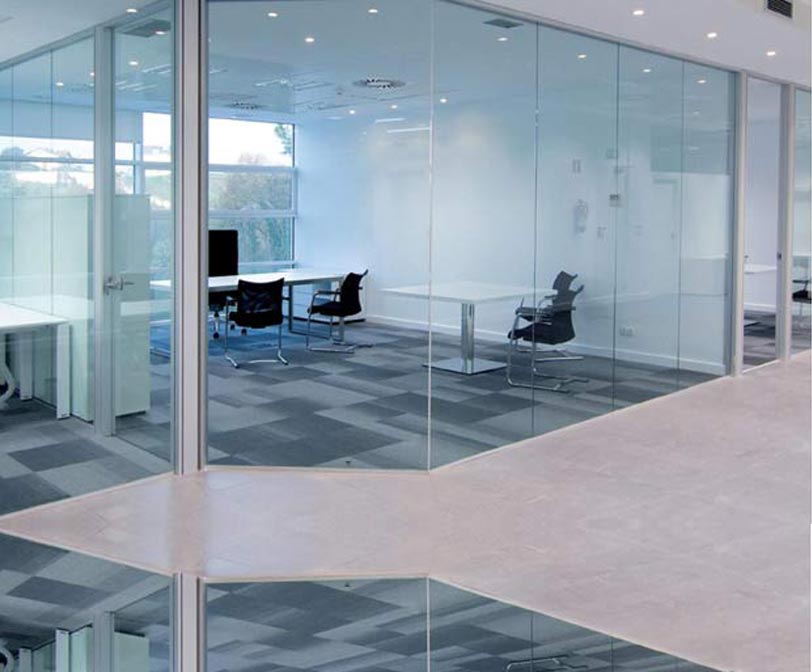
What Is Smart Glass?
Smart glass, also known as switchable glass or dynamic glass, is an advanced glazing technology that can change its properties in response to external stimuli such as heat, light, or electrical current. Unlike traditional glass, smart glass can transition between transparent and opaque states, offering unprecedented control over light transmission, heat, and privacy.
The main types of smart glass technologies include:
- Electrochromic Glass: Changes tint when electrical voltage is applied
- Thermochromic Glass: Responds to temperature changes
- Photochromic Glass: Reacts to light intensity
- Polymer Dispersed Liquid Crystal (PDLC): Switches from transparent to opaque with electrical control
- Suspended Particle Devices (SPD): Controls light transmission through electrically charged particles
Addressing UAE’s Building Challenges
Heat Management in Extreme Climates
The UAE experiences some of the world’s most challenging climate conditions for buildings. Smart glass directly addresses this by:
- Reducing Solar Heat Gain: Smart glass can block up to 90% of solar heat when in its tinted state, dramatically reducing the cooling load on buildings.
- Dynamic Response: Automatically adjusting to external conditions throughout the day, smart glass provides optimal heat protection during peak sunlight hours while maximizing natural light during other periods.
- Eliminating Hot Spots: Traditional buildings often suffer from uneven temperature distribution near windows. Smart glass creates more consistent indoor environments by managing heat gain at the building envelope.
Industry research suggests that buildings implementing smart glass technology can experience significant reductions in cooling energy consumption compared to those with conventional glazing, making it particularly valuable in the UAE’s hot climate.
Energy Efficiency and Reduced Carbon Footprint
In the UAE, where air conditioning can account for up to 70% of a building’s energy consumption, smart glass offers significant sustainability benefits:
- Reduced HVAC Requirements: By minimizing heat gain, smart glass can reduce the size requirements for cooling systems.
- Lower Energy Consumption: Buildings with smart glass can achieve substantial energy savings compared to traditional glazing solutions.
- Peak Load Reduction: Smart glass helps manage demand during peak electricity usage periods, contributing to grid stability.
- Decreased Carbon Emissions: Reduced energy consumption means a smaller carbon footprint, aligning with the UAE’s sustainability goals.
Daylighting Optimization
Natural light provides numerous benefits for building occupants, but managing it in the UAE’s intense sunlight presents challenges:
- Glare Control: Smart glass can reduce glare by up to 99% without blocking views or natural light entirely.
- Balanced Illumination: By dynamically adjusting tint levels, smart glass maintains optimal daylight levels throughout changing conditions.
- Reduced Artificial Lighting: Proper daylighting reduces dependence on artificial lighting, further decreasing energy consumption.
Research indicates that occupants in buildings with optimized daylighting often report improved productivity and better overall well-being compared to environments with poor natural light management.
Alignment with UAE Sustainability Initiatives
The UAE has positioned itself as a leader in sustainable development, with initiatives such as:
- UAE Energy Strategy 2050: Aims to increase clean energy contribution to 50% of the total energy mix
- Dubai Clean Energy Strategy: Targets making Dubai a global center of clean energy
- Estidama and Al Sa’fat: Green building rating systems promoting sustainability
Smart glass technology aligns perfectly with these initiatives by:
- Contributing to energy efficiency targets
- Reducing overall carbon emissions
- Supporting green building certification requirements
- Demonstrating innovation in sustainable construction
Smart Glass in Iconic UAE Projects
Smart glass has already been incorporated into several notable UAE buildings:
- Museum of the Future: Utilizes smart glass for its complex façade design, balancing the need for natural light with heat management
- Masdar City Buildings: Incorporates various smart glass technologies as part of their sustainability strategy
- Luxury Hospitality Projects: High-end hotels in Dubai and Abu Dhabi use smart glass for both sustainability and guest comfort
Economic Benefits Beyond Energy Savings
Smart glass offers additional economic advantages that make it attractive for UAE building projects:
- Increased Property Value: Buildings with smart glass command premium prices due to lower operating costs and enhanced occupant comfort
- Reduced HVAC Infrastructure Costs: Smaller cooling systems mean reduced capital expenditure and less required mechanical space
- Extended Building Lifecycle: Less thermal stress on building components leads to longer life spans for building systems
- Healthier Environments: Natural light optimization contributes to occupant wellbeing, potentially reducing healthcare costs and absenteeism
Occupant Comfort and Wellbeing
In a climate where people spend approximately 90% of their time indoors, the impact of building design on health cannot be overstated:
- Thermal Comfort: Smart glass creates more consistent indoor temperatures by managing heat at the window
- Visual Comfort: Dynamic tinting eliminates glare while maintaining views and connection to the outdoors
- Natural Circadian Rhythms: Proper daylight exposure helps maintain healthy sleep-wake cycles
- Psychological Benefits: Connection to outdoor views has been linked to reduced stress and improved mood
Installation Considerations in UAE Buildings
When implementing smart glass in UAE projects, several factors require special consideration:
- Integration with Building Management Systems: For optimal performance, smart glass should interface with overall building control systems
- Backup Power Planning: Ensuring functionality during power outages, particularly for privacy glass applications
- Local Installation Expertise: Working with professionals familiar with the technology and local conditions
- Climate-Specific Settings: Programming dynamic responses appropriate for the UAE’s unique weather patterns
Return on Investment Analysis
While smart glass typically has a higher initial cost than standard glazing, the return on investment makes it financially attractive:
- Energy Savings: Potential for significant reduction in overall energy costs
- HVAC Downsizing: Possible reduction in cooling equipment capacity requirements
- Increased Occupant Productivity: Research suggests productivity improvements in environments with better daylighting and temperature control
- Payback Period: Smart glass installations can achieve positive ROI over time, with timeframes varying based on building type, usage patterns, and local energy costs
Future of Smart Glass in UAE Construction
The future looks promising for smart glass in UAE building design:
- Integration with Renewable Energy: Self-powered smart glass using photovoltaic technology
- Artificial Intelligence Control: AI-driven systems that predict optimal settings based on weather forecasts and occupancy patterns
- Enhanced User Control: Mobile applications allowing individual control of nearby glass panels
- Price Reductions: As adoption increases, manufacturing costs continue to decrease
Smart glass technology represents a perfect alignment of innovation and necessity for UAE’s construction industry. By addressing the unique challenges of building in a hot, sunny climate while supporting sustainability goals, smart glass is positioned to become a standard feature in forward-thinking UAE building projects.
As the Emirates continues its leadership in sustainable development and architectural innovation, smart glass will play an increasingly important role in creating buildings that are not only visually striking but also environmentally responsible and occupant-friendly.
By embracing smart glass technology, UAE developers and building owners can achieve the rare combination of improved aesthetics, enhanced occupant comfort, and reduced environmental impact—a true win-win-win scenario in the challenging context of desert construction.